Why You Keep Getting in Your Own Way
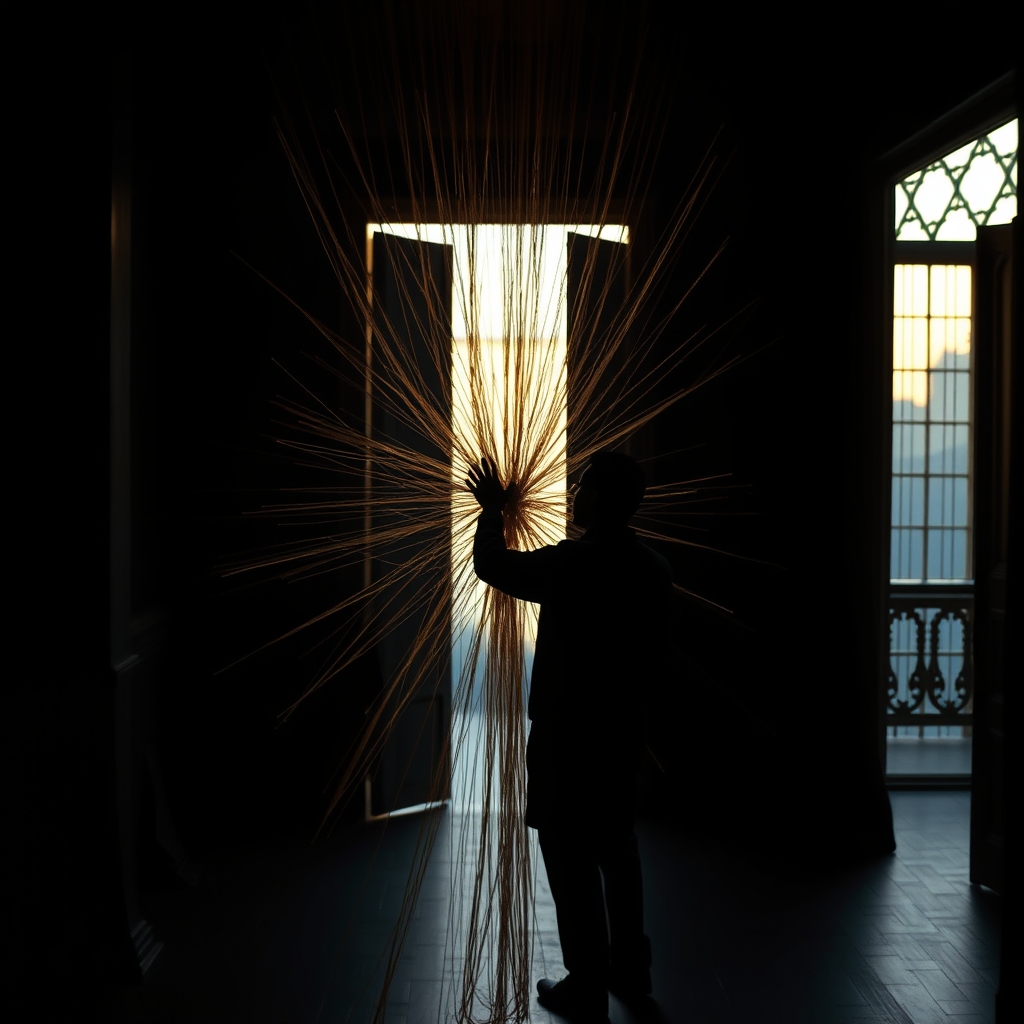
There's a specific kind of frustration that hits when you know, deep down, you're capable of more. You start something new—a project, a relationship, a healthy habit—with genuine enthusiasm. You see the path, you feel the potential, and then, almost without realizing it, you pull the rug out from under yourself. You quit before you're truly invested, or you create drama when things are finally stable, or you simply procrastinate until the opportunity slips away. It’s not about being lazy or incompetent; it’s that nagging feeling that you're stuck in a loop, repeating the same frustrating patterns despite your best intentions.
You've tried to just "be different," to force yourself out of it, but it feels less like a choice and more like an ingrained response. Like there’s a part of you that actively undermines your own success or happiness. What if that part isn't some random flaw, but a blueprint? In astrology, your natal chart acts as a map of your inherent tendencies, including those "flaws" that are really just misdirected energies. It shows you the patterns you're prone to, the specific ways you might trip yourself up, and even why.
Why Do I Keep Getting in My Own Way?
You’ve probably felt it: that moment where you’re on the brink of a breakthrough, and suddenly, you’re paralyzed. Or you’re in a good place, and an old, destructive habit resurfaces. It feels like you’re your own worst enemy, pushing away good things or preventing yourself from even starting. This isn't some moral failing or a sign you're "broken." In astrology, these ingrained patterns of self-sabotage often point to specific configurations in your birth chart. It’s less about making bad choices and more about reacting from deep-seated energetic conflicts that have been there since you were born. Your chart isn't just about your strengths; it's also about where your energy might clash, where you're prone to internal friction, and how that friction can manifest as getting in your own way.
Hard Aspects: Your Natal Chart's Self-Sabotage Red Flags
Some of the clearest indicators of self-sabotage in your chart come from what astrologers call "hard aspects." These are challenging angles between planets that create internal tension, almost like two parts of you are constantly at odds. Think of squares (90 degrees) and oppositions (180 degrees)—they don't make things easy. They highlight areas where you have to work harder, where the energies don't flow smoothly, and where you might find yourself repeating cycles of frustration.
- Moon square Saturn: This often shows up as that thing you do where you feel like you're not good enough, even when you have clear evidence to the contrary. You might restrict your own emotional expression, feeling like you always have to be "strong" or that your feelings aren't valid. This can lead to pushing away support or denying yourself joy, all while feeling a deep, unspoken sense of inadequacy.
- Mars square Pluto: This is a powerful, often intense aspect. It can manifest as self-destructive urges, an unconscious need to exert power through conflict, or a tendency to create drama where there is none. You might find yourself in power struggles, either with others or internally, and sometimes you're the one tearing down what you've built, almost as if you need to prove your strength by surviving the wreckage.
- Venus opposite Neptune: This one often plays out in relationships. You tend to idealize partners, projecting your fantasies onto them, only to feel profoundly disillusioned when they inevitably show their human flaws. You might stay in relationships that aren't real, or you might sabotage good ones because they don't live up to an impossible ideal you've unconsciously created. It’s that pattern of confusing fantasy with reality, especially when it comes to love and values.
These aspects aren't curses; they're energetic hotspots. They show you where your internal machinery might be grinding, creating friction that manifests as those self-defeating behaviors. Knowing these patterns exist in your natal chart is the first step to understanding why you do what you do. You can check your own chart for these specific aspects and see where these tensions might be playing out in your life.
Planetary Placements and Houses: Where Self-Sabotage Plays Out
Beyond the aspects, the specific placement of planets in signs and houses in your chart gives you even more detail about *how* and *where* self-sabotage manifests. Certain planets, often called "malefics" (Mars, Saturn, Pluto, Uranus, Neptune), can bring challenges when placed in specific signs or houses, pointing to areas where you might unconsciously hinder yourself.
- Saturn in the 1st House: This placement often means you carry a deep-seated self-doubt or a fear of initiation. You might hesitate to start new ventures, always second-guessing yourself, or feeling like you need to earn your right to exist. It’s that feeling of having a heavy weight on your shoulders, especially when it comes to your personal identity and how you present yourself to the world. You cancel the plans, not because you don't want to go, but because the thought of putting yourself out there feels like too much work.
- Mars in the 12th House: This can indicate hidden anger, passive-aggressive tendencies, or a pattern of self-undoing. Your drive and assertiveness might be unconsciously directed inward, leading to self-sabotage or a sense of being your own worst enemy. You might struggle to identify your own anger, only for it to erupt in unexpected ways, or you might find yourself unconsciously undermining your own efforts.
- Neptune in the 7th House: This often leads to idealizing partners or projecting your fantasies onto them, making it difficult to see people for who they truly are. You might attract partners who are elusive, deceptive, or who require "saving," leading to a cycle of disillusionment. It’s that pattern of wanting a relationship to be something it’s not, or falling for someone’s potential rather than their reality, and then feeling confused when it all falls apart.
The house placement is crucial because it tells you the life area where these patterns are most likely to manifest. Saturn in the 2nd House, for example, might mean self-sabotage around finances or self-worth, while Neptune in the 10th House could involve career confusion or self-deception in your public image. It's not about being doomed; it's about understanding the specific energetic landscape you're navigating. A full natal chart analysis is essential to put these pieces together, as the interplay of all your placements tells a unique story.
Identifying Shadow Work: Transits That Trigger Old Habits
Sometimes, these self-sabotaging patterns lie dormant, only to be activated when current planetary movements—called transits—interact with your natal chart. Think of transits as cosmic alarm clocks, bringing unconscious patterns to the surface. Difficult transits, like Saturn moving over one of your personal planets or Pluto squaring a natal placement, often coincide with periods where old, self-defeating habits resurface with intensity.
This isn't to say the planets are "making" you sabotage yourself; rather, they highlight existing weaknesses or unaddressed conflicts in your chart. This can feel uncomfortable, even chaotic, as these patterns become undeniable. It's during these times that the concept of "shadow work" becomes particularly relevant—confronting and integrating those hidden, unacknowledged aspects of yourself that have been quietly holding you back. For instance, a challenging Saturn transit might bring up deep-seated fears of failure, causing you to procrastinate on a critical project until the last minute. Or a Pluto transit could expose a pattern of self-destruction in a relationship, forcing you to finally address the underlying power dynamics. These periods, while tough, are also profound opportunities to see your patterns clearly and choose a different path.
Frequently Asked Questions
Can my Sun sign explain my self-sabotage?
While your Sun sign describes your core identity and how you express yourself, self-sabotage is a complex pattern. It's more accurately identified through the intricate interactions of all the planets, signs, and challenging aspects in your full natal chart, rather than just one placement.
What's the difference between a square and an opposition in astrology?
A square (90-degree aspect) indicates internal tension and conflict between two planetary energies that demands resolution and often feels like an obstacle. An opposition (180-degree aspect) represents a polarized dynamic between two energies that need to be balanced, often playing out in relationships or external circumstances.
How can I stop self-sabotaging once I've identified it in my chart?
Understanding the astrological roots of your self-sabotage is the crucial first step. From there, you can actively work with those specific energies by making conscious choices, reframing your perspectives, and sometimes seeking guidance to transform these ingrained patterns.
If any of this resonated, if you heard your own voice in these patterns, the next step isn't to just "try harder." It's to look at the map. Because the specific planets, signs, and houses in your free birth chart will tell you exactly where your self-sabotage originated, what it looks like, and how you can finally move past it. Yours is waiting.


Comments
Post a Comment